
Spinal Stenosis Treatment in North Alabama
What is spinal stenosis?
The spinal column contains open spaces that create passageways for the spinal cord and the spinal nerves. Spinal stenosis is a narrowing of (or an intrusion into) these openings. This can cause a compression of the nerves. Spinal stenosis most commonly affects the cervical and lumbar regions of the spine.
Anatomy of the Spine
Each vertebra has a large opening at the rear called the spinal canal. In the cervical and thoracic regions of the spine, the spinal cord travels through this space. In the lumbar region of the spine, this opening contains a bundle of nerve roots. Openings called foramina branch away from the spinal canal. These spaces provide pathways for the nerve roots that travel from the spine to other parts of the body.
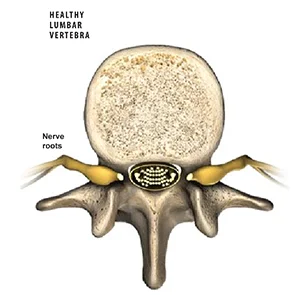
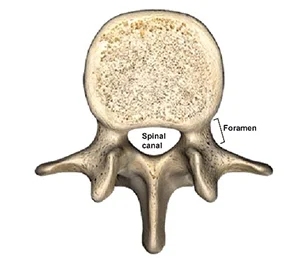
What is stenosis?
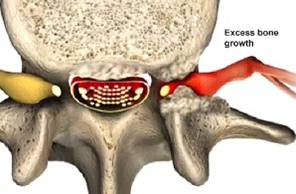
In a spine with stenosis, one or more of these openings are narrowed. The spinal nerves can become compressed against the vertebral bone. This can interfere with nerve function. It can cause pain in the spine or in other parts of the body.
Spinal Stenosis FAQ
What causes spinal stenosis?
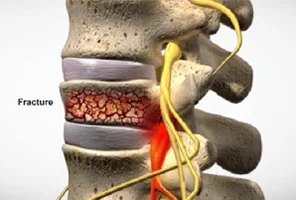
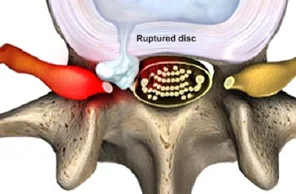
Stenosis is commonly caused by an excess growth of bone around the spinal nerves. This excess bone growth often results from osteoarthritis. Stenosis can also result from a dislocation or a fracture of the vertebral bone. Stenosis can be caused by soft tissue intruding into the spine’s open spaces. Herniated discs, tumors, and thickened spinal ligaments can press against the spinal nerves. And in some cases, a person is born with a small spinal canal that does not provide enough room for the spinal nerves.
What are the symptoms of spinal stenosis?
Symptoms of spinal stenosis can vary depending on the location and severity of the problem. Spinal stenosis can cause pain, weakness, numbness, and tingling in the arms and legs. Spinal stenosis in the lower back commonly causes sciatica, a sensation of burning pain that can travel through the buttocks and down the legs. Spinal stenosis can also cause problems with control of the bladder and bowels.
How is spinal stenosis treated?
Treatment options for spinal stenosis may include anti-inflammatory medications, muscle relaxants, and medications to relieve pain. Steroid injections may be beneficial. A physician may also recommend physical therapy. If these methods are not effective, surgery may be needed to eliminate pressure on the nerves.
Watch Video
Schedule a Consultation for Spinal Stenosis Treatment in North Alabama
Tennessee Valley Pain Consultants specializes in the treatment of Spinal Stenosis at our pain management clinics in North Alabama. If you are experiencing pain due to Spinal Stenosis, contact our pain management specialists by calling your preferred location directly or request an appointment online.